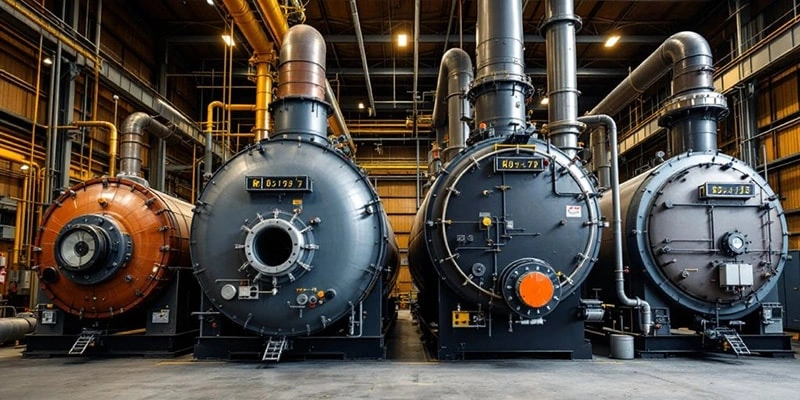
Ever wondered how boilers are different from each other? Why there are so many steams coming out from boilers? Industrial and Commercial boilers are generally large giant guardians providing heat and steam for cooking, drying, sterilizing, and distillation in industries like food processing, chemical production, and textiles.
However, different boilers function differently and they have their own advantages in particular applications. That’s why as an industrial boiler primary manufacturer for decades, we make this article for you to understand their differences, features, and benefits. This article will explore four common types of industrial boilers: fire tube, water tube, electric, and biomass-fired boilers.
Key Takeaways
Fire tube boilers are simple and efficient, making them popular for smaller operations.
Water tube boilers can handle higher pressures and are used in larger industries.
Electric boilers are compact, environmentally friendly, and ideal for smaller facilities.
Biomass-fired boilers use organic materials, offering a greener alternative but may require more upkeep.
Choosing the right boiler depends on the specific heating needs and the type of fuel available.
1. Fire Tube Boiler
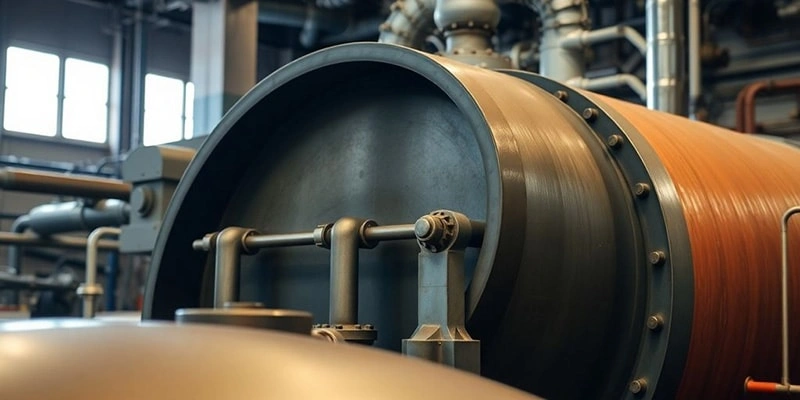
Fire tube boilers are a popular type of boiler used in many industries. They generate steam by heating water with hot gases that pass through tubes. This design makes them efficient and reliable for various applications.
Key Features
Simple Design: Fire tube boilers have a straightforward structure, making them easy to operate and maintain.
Versatile Fuel Options: They can run on different fuels, including diesel, and biomass.
Compact Size: These boilers can produce a large amount of steam in a small space, which is ideal for many settings.
Applications
Firetube boilers are commonly found in a wide range of industrial and commercial settings due to their compact design, affordability, and relatively simple operation. These boilers are widely utilized in food processing plants, textile mills, pharmaceutical facilities, chemical manufacturing sites, pulp and paper mills, commercial laundries, hospitals, and smaller commercial buildings.
Fire tube boilers play a crucial role in providing steam for heating and powering machinery in various industries.
2. Water Tube Boiler

Water tube boilers are a type of boiler where water circulates inside tubes that are heated by hot gases. These boilers are known for their ability to handle high pressures and large amounts of steam. They are commonly used in power plants and large factories.
Key Features
High Pressure Capability: Water tube boilers can operate at much higher pressures than fire tube boilers.
Efficient Steam Production: They produce steam quickly and efficiently, making them ideal for large-scale operations.
Flexible Design: These boilers can be designed to fit specific needs, allowing for various configurations.
Types of Water Tube Boilers
Natural Circulation: Water moves through the system due to density differences, which helps in maintaining flow.
Forced Circulation: A pump is used to move water, providing better control over the circulation process.
Packaged Units: Smaller, pre-assembled units that are easier to install and operate.
Water tube boilers are essential in industries that require a lot of steam, such as power generation and chemical processing. They provide reliable performance and can be tailored to meet specific operational needs.
3. Electric Boiler
Electric boilers are a modern type of heating system that uses electricity to generate heat. They are known for being efficient and environmentally friendly. Here are some key points about electric boilers:
Efficiency: Electric boilers convert almost all the electrical energy into heat, making them very efficient.
Clean Energy: They do not produce waste gases, which means they are cleaner than traditional gas or oil boilers.
Versatility: Electric boilers can be used in various settings, including homes, hospitals, and factories.
Advantages of Electric Boilers
No Emissions: Electric boilers do not emit harmful gases, making them a great choice for reducing pollution.
Low Maintenance: They require less maintenance compared to traditional boilers, saving time and money.
Quick Heating: Electric boilers heat water quickly, providing hot water on demand.
Applications
Electric boilers are used in many places, such as:
Hotels
Swimming pools
Laundries
Hospitals
Electric boilers are becoming more popular as people look for cleaner and more efficient heating options. They are a smart choice for those who want to reduce their environmental impact.
4. Biomass-Fired Boiler
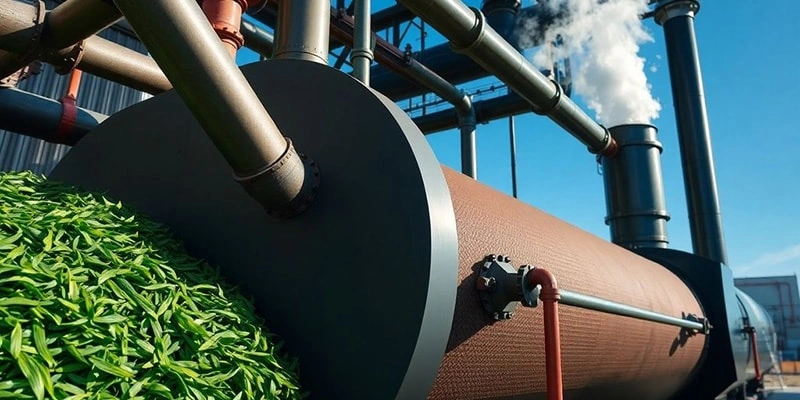
Biomass-fired boilers are heating systems that use organic materials like wood pellets, agricultural waste, or other renewable resources as fuel. These boilers are important for promoting eco-friendly heating solutions. They convert biomass into thermal energy through combustion, generating steam or hot water for various applications.
Advantages of Biomass-Fired Boilers
Renewable Energy Source: Biomass is a sustainable option, reducing reliance on fossil fuels.
Lower Emissions: They produce fewer greenhouse gases compared to traditional coal or gas boilers.
Waste Utilization: Biomass can include waste materials, helping to reduce landfill use.
Applications
Biomass-fired boilers are commonly used in:
1.Industrial Heating: Providing heat for manufacturing processes.
2.Power Generation: Converting heat into electricity.
3.District Heating: Supplying heat to multiple buildings in a community.
Biomass-fired boilers not only help in reducing carbon footprints but also support local economies by utilizing locally sourced materials.
The Most Common Industrial Boiler
The most prevalent type of industrial boiler found in facilities across the United States is the firetube boiler. This boiler design features a compact and straightforward configuration, with combustion gases passing through tubes surrounded by water. The simplicity of the firetube boiler contributes to its widespread adoption, as it is relatively easy to operate and maintain compared to other boiler types.
One of the key advantages of firetube boilers is their lower upfront cost, making them an economical choice for many industrial applications. Despite their affordability, these boilers can still deliver reliable performance and meet the steam or hot water demands of various processes. However, it’s important to note that firetube boilers generally have lower efficiency and capacity limitations compared to larger watertube boilers, which are more suitable for high-demand applications.
Factors for Selecting an Industrial Boiler
Selecting the right industrial boiler involves evaluating several key factors to ensure it meets your facility’s specific needs. These factors include:
Capacity/Steam Requirements: Determine the required steam output or heating capacity based on your processes and equipment. Oversizing can lead to inefficiencies, while undersizing will result in insufficient steam production. Consider future growth plans as well. (Determine your boiler capacity, combustion efficiency, stack gas temperature, annual hours of operation, and annual fuel consumption.)
Fuel Type: Industrial boilers can be fired by various fuels, including natural gas, oil, coal, biomass, or electricity. Fuel availability, cost, and environmental considerations will influence your choice.
Physical Size Limitations: Assess the available space in your facility for the boiler room, including ceiling height, floor area, and access for maintenance. Compact designs may be necessary for tight spaces.
Budget: Consider both the upfront capital costs and ongoing operating expenses, including fuel, maintenance, and staffing. Higher-efficiency boilers often have higher initial costs but can provide long-term savings.
Efficiency Requirements: Evaluate the desired efficiency levels for your boiler, as higher efficiency can significantly reduce fuel costs and emissions. (The efficiency requirements section compares boiler efficiencies across different references and lists good and best performance for boilers.)
Conclusion
In summary, industrial boilers are essential for many industries, providing the heat needed for various processes. We explored four common types: fire tube, water tube, electric, and biomass boilers. Each type has its own strengths and weaknesses, making it important to choose the right one based on your specific needs.
If you want custom industrial boilers, feel free to contact US! Your reliable boiler manufacturer forever!
Quality, Innovation, Reliability

Energy Engineering EPC Professional Service Provider




 中文
中文


